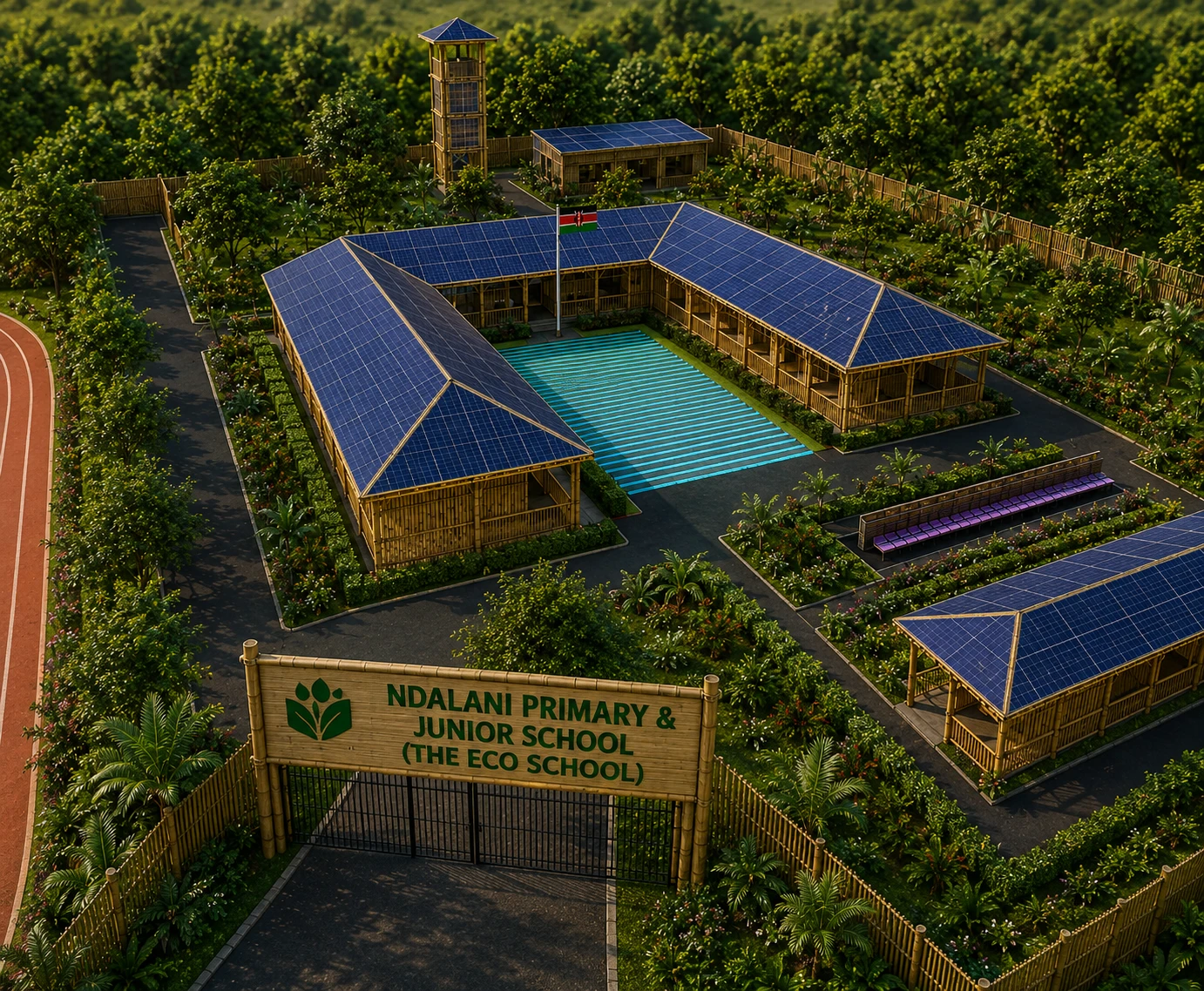
SUSTAINABLE INFRASTRUCTURE
Green classrooms
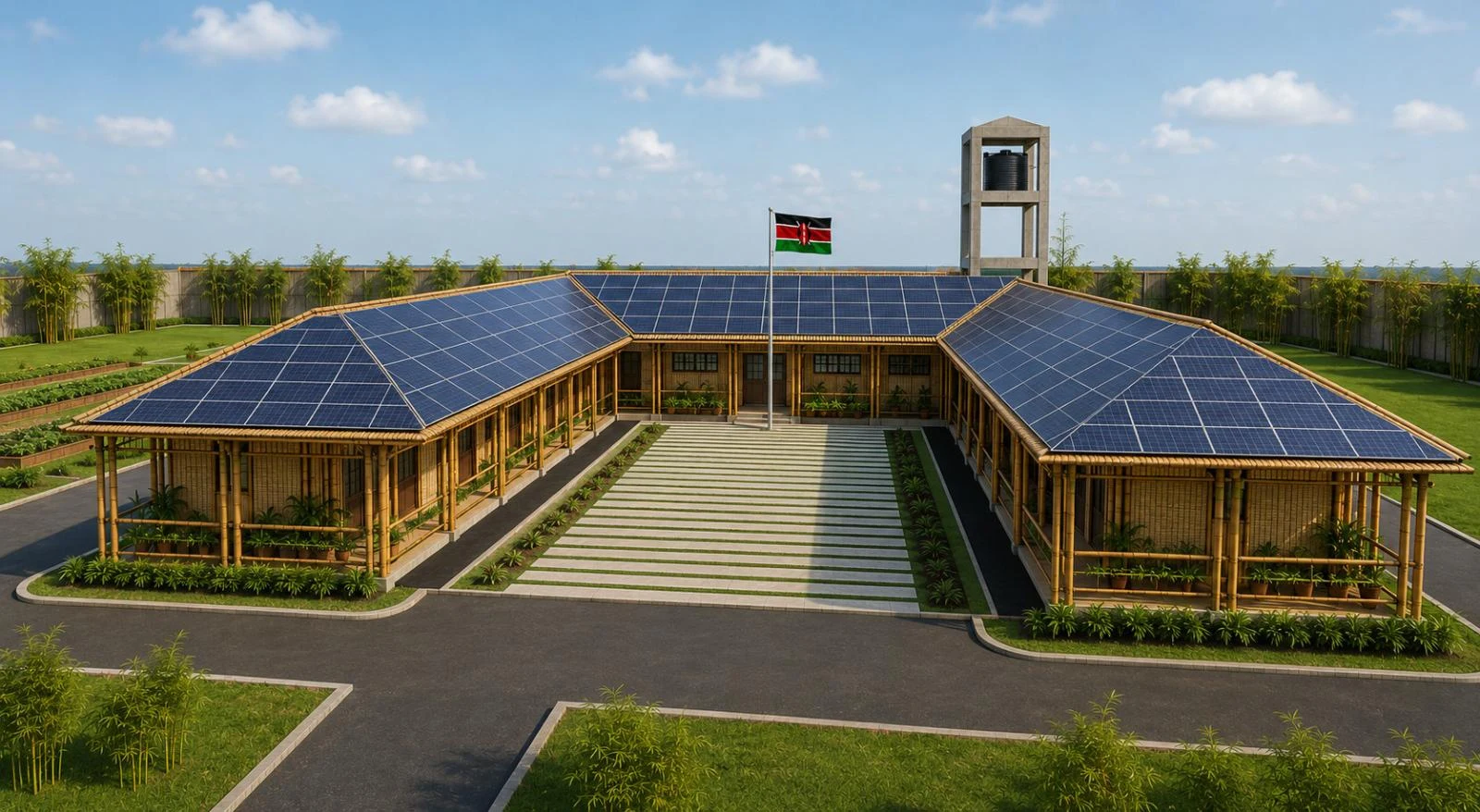
Replace unsafe learning spaces with thoughtfully designed bamboo classrooms, durable furniture and dependable facilities.
OUR FLAGSHIP DEVELOPMENT VISION · KENYA
Better learning. Cleaner water. Greener possibilities.
One connected vision for the community we call home.
Local institutions
Connected development pillars
Months in the proposed rollout
MORE THAN A BUILDING PROJECT
A child’s opportunity to learn is connected to everything around the classroom.
Build a Green Village is a holistic development proposal for Ndalani and Inyanzaani: sustainable bamboo learning spaces, water and sanitation, solar power, offline educational technology and vocational opportunity.
The initiative was requested by the alumni association and presented in a funding proposal by Miss Caricom International Foundation in collaboration with ChipServer, Waiea Water and Bamboo Living.
Designs and supplier proposals are available. Funding commitments, construction start dates and delivery milestones have not been confirmed for publication.
THE BUILDING BLOCKS
Each part supports the next. Together, they respond to the practical needs set out in the proposal.
SUSTAINABLE INFRASTRUCTURE
Replace unsafe learning spaces with thoughtfully designed bamboo classrooms, durable furniture and dependable facilities.
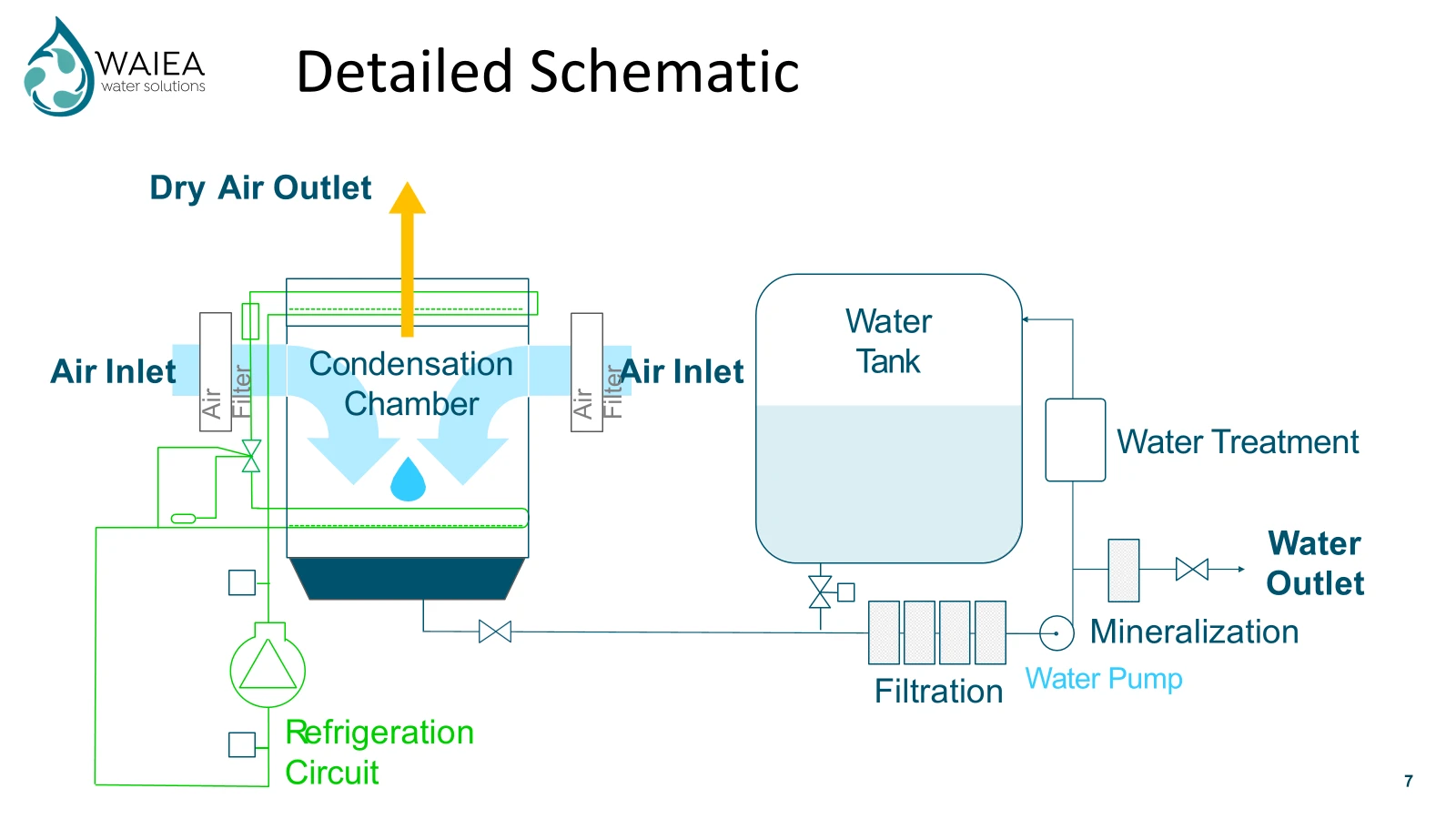
HEALTHY COMMUNITIES
Bring water, safe sanitation and hygiene into the heart of school and community life.
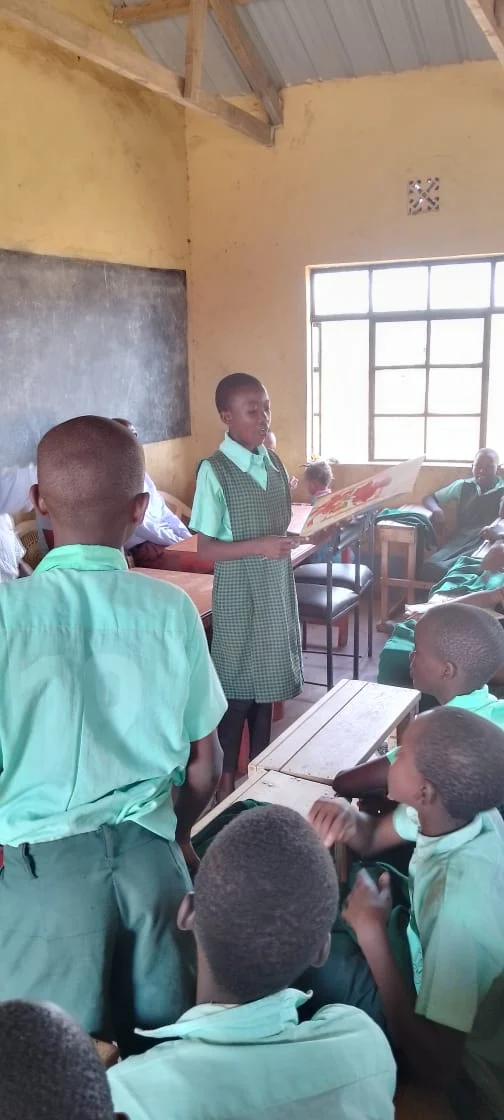
EDUCATION WITHOUT BARRIERS
Connect pupils and teachers to educational resources through offline technology and a community ICT hub.
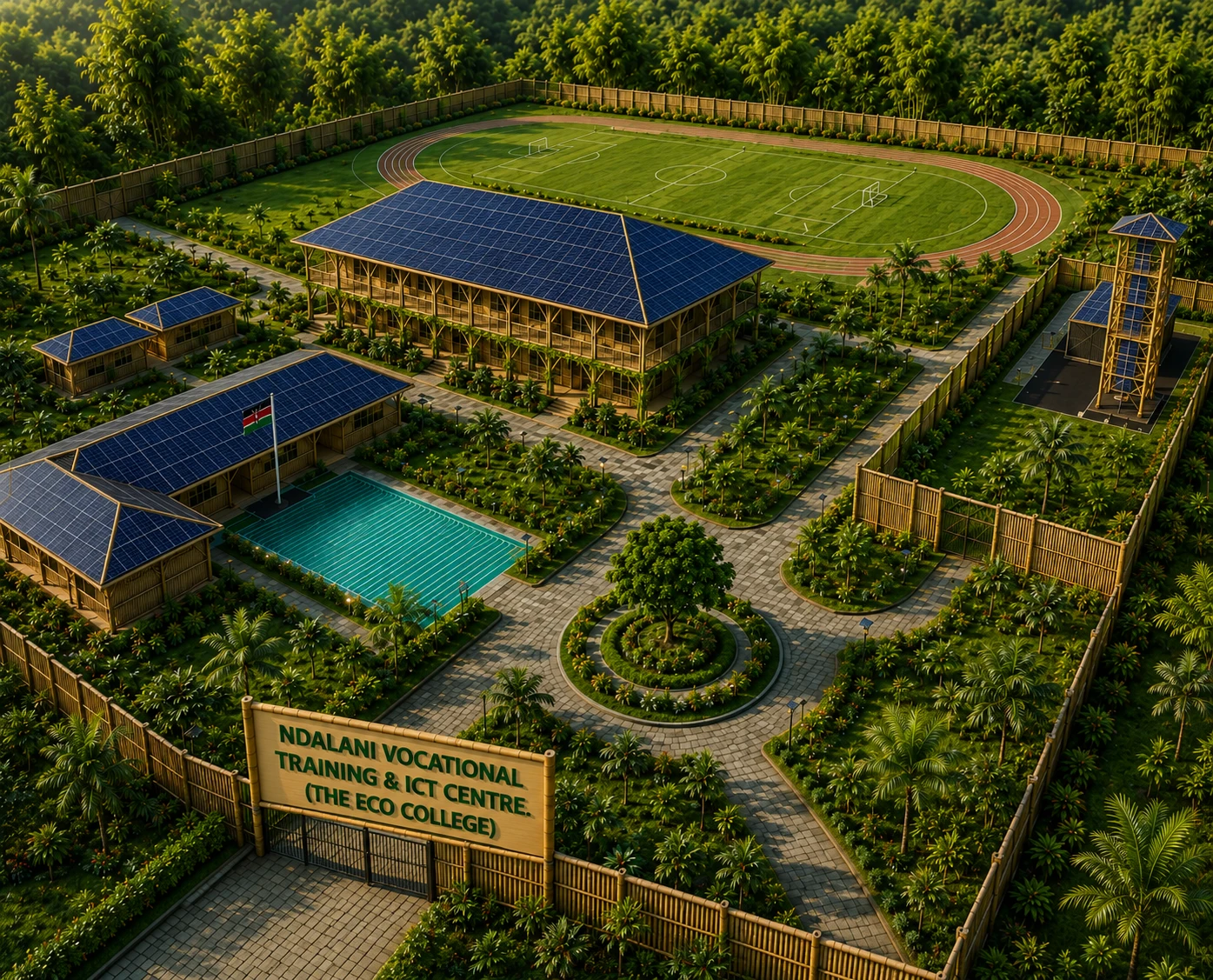
OPPORTUNITY CLOSE TO HOME
Support vocational training, practical digital skills and enterprise development for young people and the wider community.
GROWING A RESILIENT VILLAGE
Link renewable energy, responsible building and community learning to a more resilient future.
WHERE THE VISION TAKES ROOT
Focused on Ndalani, Yatta Sub-county, Machakos County, with wider community learning envisioned through the ICT hub.
Our home school in Kenyatta Village, founded in 1967. Proposed improvements include safer classrooms, school water, sanitation and digital resources.
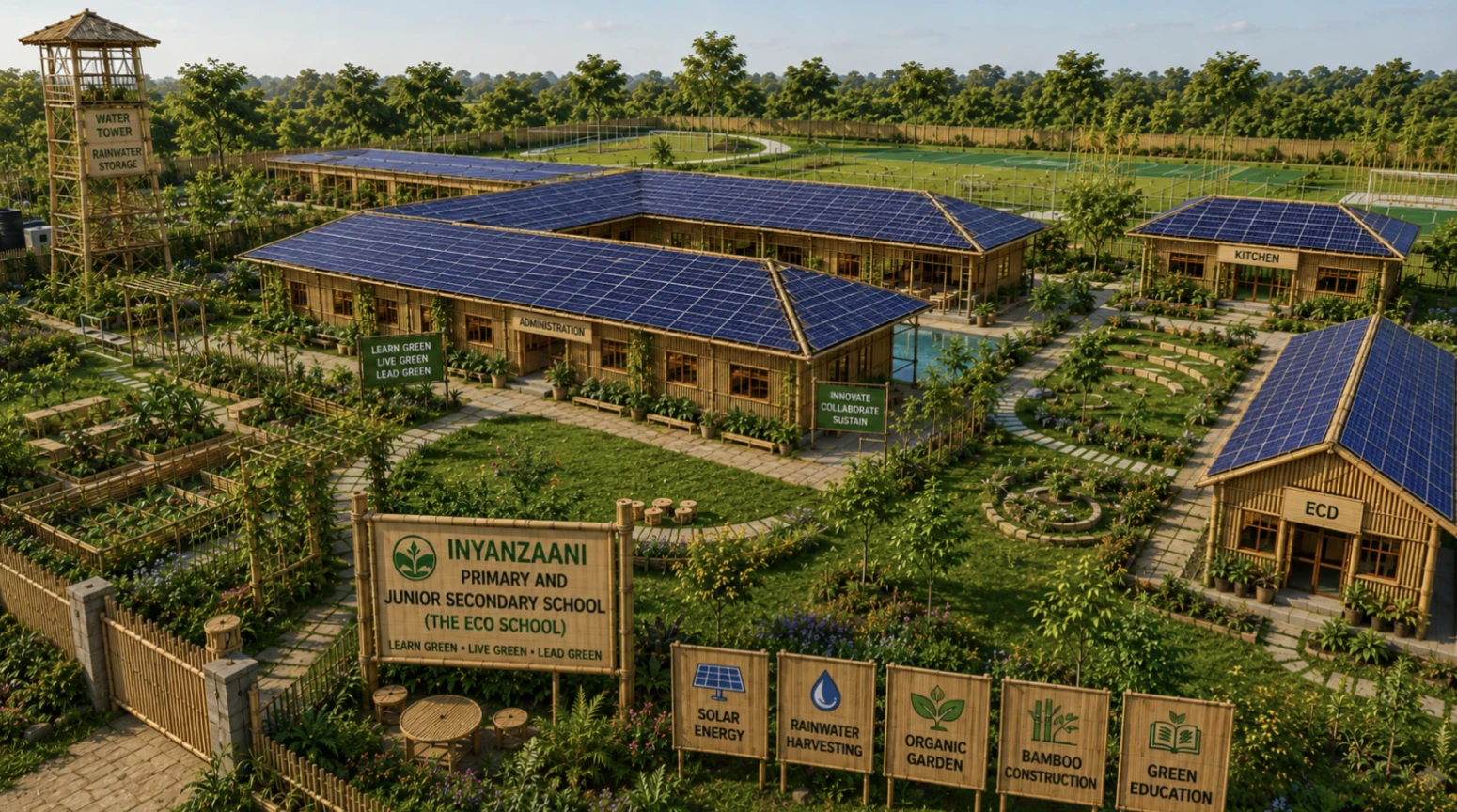
A neighbouring school in Kwa Ngei Village, established in 1982. The initiative proposes classroom renewal, furniture, sanitation and clean water.
Founded in 1980 near Ndalani Market. The proposal includes improved access to digital learning and reliable school water.
Established in 2010. The proposed location of the Ndalani Information Technology Centre, connecting practical skills to community opportunity.
EXPLORE THE IDEA
Explore a simple interactive illustration of how classrooms, solar roofs, water storage and an ICT hub can fit together.
Conceptual illustration only. This model is not an engineering drawing or a representation of an approved final site layout.
View the supplied architectural plans ↗THE ORGANISATIONS INVOLVED
These roles reflect the organisations named in the supplied funding proposal. They describe proposed contributions, rather than a claim that delivery or funding is complete.
LOCAL IMPLEMENTATION & COMMUNITY MOBILISATION
The requesting association and proposed implementing agency. Connects schools, alumni and community members, mobilises local support and coordinates project oversight.
Fredrick Kitonyi Munyao · Chairman
Talk to the association ↗
PROPOSAL COORDINATION & EMPOWERMENT
The foundation presenting the collaborative funding proposal. Its proposed contribution includes educational empowerment, skills development and opportunities for women and young people.
Dr. Monica Sanchez · Founder & Chairperson
Visit organisation
OFFLINE DIGITAL LEARNING
Proposes portable local classroom technology to share educational resources without an external internet connection, alongside devices and teacher implementation support.
Vincent J. Mattone · President & CEO
Visit organisation
WATER & OFF-GRID UTILITIES
Named as Waiea Water Corporation and Waiea Water Solutions in the proposal. Proposes atmospheric water generation with solar power, supported by water storage, testing and maintenance.
Angelique Kekuewa · Director, GWR Division
Visit organisation
SUSTAINABLE BUILDING & DESIGN
Proposes prefabricated renewable bamboo classrooms, staff facilities and a two-storey ICT centre, supported by architectural design and construction coordination.
David Sands · Co-founder / Chief Architect
Visit organisationThe proposal also envisages a role for school leadership, beneficiary communities and the Machakos County Department of Education, ICT and Innovations in guidance and oversight. Hubble Power Engineering Contractors (locally sourced) is named for proposed solar and electrical work. These arrangements will need to be confirmed as implementation develops.
The Gates Foundation is a submission recipient named in the proposal. It is not presented here as a confirmed funder or delivery partner.
THE PROPOSED JOURNEY
The proposal describes a 12–18 month phased rollout after project commencement. The following phases are a planning framework, with dates dependent on funding and approvals.
MONTHS 1–3
Assess and clear unsafe structures, prepare sites and engineer foundations.
MONTHS 4–9
Assemble bamboo structures, integrate roofing and prepare secure campus layouts.
MONTHS 10–14
Install planned water systems, storage and solar utilities, subject to local technical assessment.
MONTHS 15–18
Introduce ICT networks and furniture, train users and complete inspections and handover.
We want supporters to understand both the ambition and the work still ahead.
The proposal includes supplier quotations and indicative budgets. Some totals and beneficiary figures differ between sections, and several quotations have passed their validity dates. A current, reconciled budget should be agreed before funding commitments.
Planned monitoring includes school facilities, teacher and learner uptake, water quality, community training and participation by women and girls. These will be reported as evidence becomes available.
Contact the association for the full proposal, due diligence questions, an updated project scope or a discussion about in-kind support.
YOUR QUESTIONS, ANSWERED
The materials available to this website describe a proposal and architectural vision. A confirmed construction start or completed delivery has not been provided for publication.
Yes. You can register a pledge for classrooms, water, digital learning, skills or environmental resilience. Contact the association to agree a restricted contribution and its allocation before transferring funds.
We welcome conversations about technical support, teacher training, materials and professional skills. Use the partnership enquiry form to explain what you would like to contribute.
Architectural plans and the constitution are available in the document library. Request the full funding proposal and updated budgets directly from the association.
Tax treatment depends on your country and the recipient entity. The website does not promise tax deductibility. Please confirm the recipient and documentation before giving.
THE NEXT CHAPTER STARTS WITH US
Give your time, share your skills, or help fund the future. There is a place for you in the story of Ndalani.